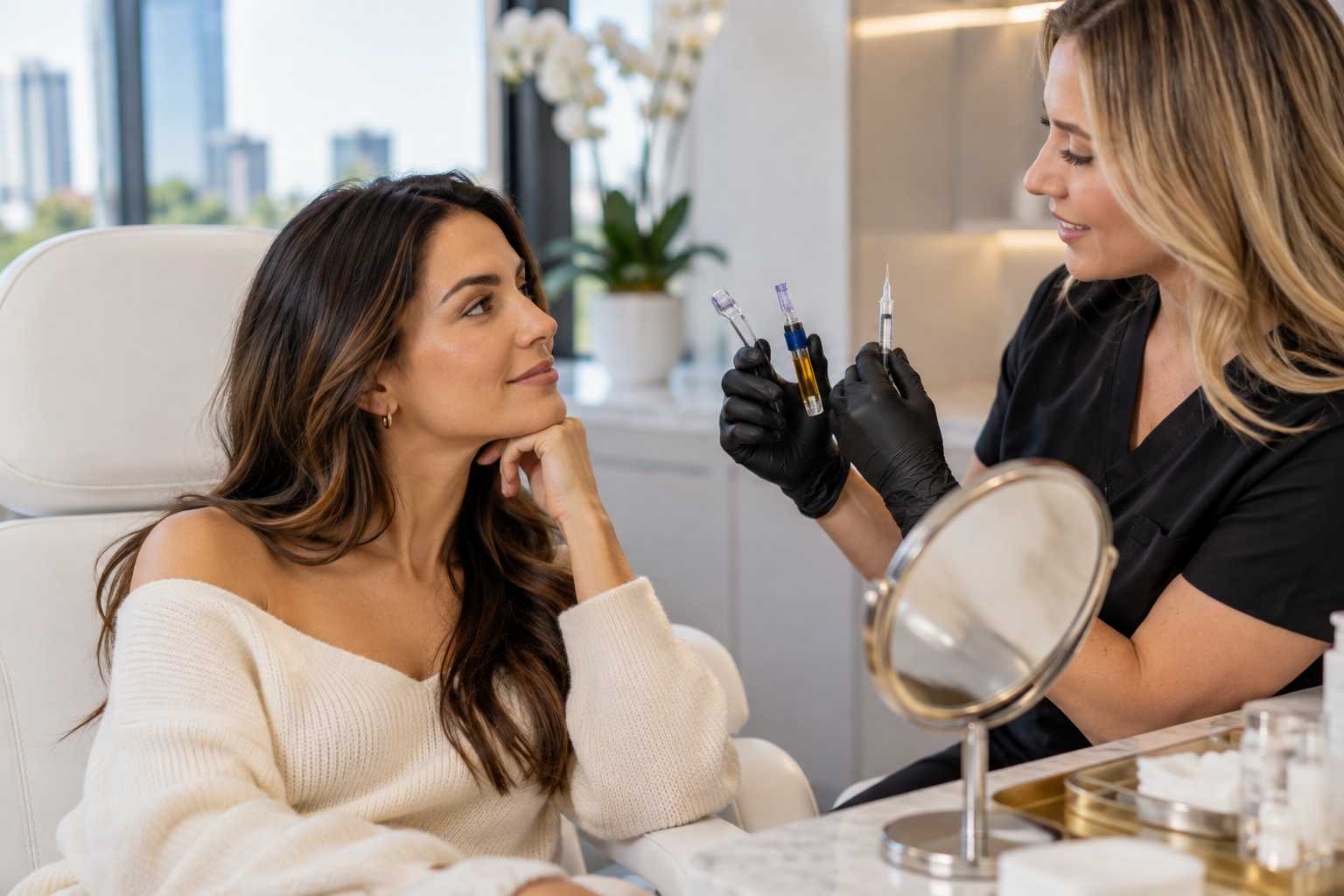
Does Botox Hurt More Than Fillers, Microneedling, or PRP? A Comfort Guide for Buckhead First-Timers
If you have been wondering "does Botox hurt?", here is the short answer: for most people, Botox feels like a few quick pinches that are over in minutes, and it is usually one of the milder injectable experiences you can have at a med spa. Compared with dermal fillers, microneedling, or PRP, Botox typically involves fewer sensations, a finer needle, and a shorter appointment.
That said, "it barely hurts" is not very useful when you are the one sitting in the chair with your heart rate climbing. So instead of repeating the usual reassurances, this guide puts Botox side by side with other popular treatments, explains why comfort varies from person to person, and shares what actually helps nervous first-timers in Buckhead feel at ease.
What Does Botox Actually Feel Like?
Most patients describe Botox as a quick sting or pinch, followed by a brief pressure as the product goes in. Each injection takes only a second or two, and a typical forehead, frown line, or crow's feet treatment involves a small number of tiny injection points.
Botox, like Dysport, is placed with a very fine needle into specific facial muscles. Because the amount of product per point is small, there is not much lingering sensation. Some people notice a faint stinging that fades within minutes, and a few feel mild tenderness at the injection sites for the rest of the day.
Why does it feel stronger for some people than others?
Comfort is personal. A few factors tend to shape how Botox feels:
- Treatment area. Thinner, more sensitive skin around the eyes can feel sharper than the forehead. Thicker muscles, such as the jaw, often create more of a pressure sensation than a sting.
- Anxiety level. Tension tightens muscles and heightens your awareness of every sensation. Many first-timers find the anticipation is more uncomfortable than the treatment itself.
- Timing and lifestyle. Poor sleep, high stress, and a long day of caffeine can make some people feel more on edge.
- Technique. An experienced injector who works efficiently, with precise placement, can make the whole process feel faster and smoother.
Does Botox Hurt More Than Fillers, Microneedling, or PRP?
Here is how Botox generally compares with other treatments people often ask about. Everyone's experience is different, but these comparisons reflect how the treatments are performed.
Botox vs. dermal fillers
Botox usually feels quicker and lighter than filler. Dermal fillers are thicker gels that are placed to restore volume in areas such as the cheeks, lips, and under-eyes, so the experience tends to involve more pressure and a slightly longer appointment. Many hyaluronic acid fillers are formulated with a local anesthetic to help with comfort as the product is placed. Lips are often considered one of the more sensitive areas, while Botox in the upper face tends to feel simpler.
Botox vs. microneedling
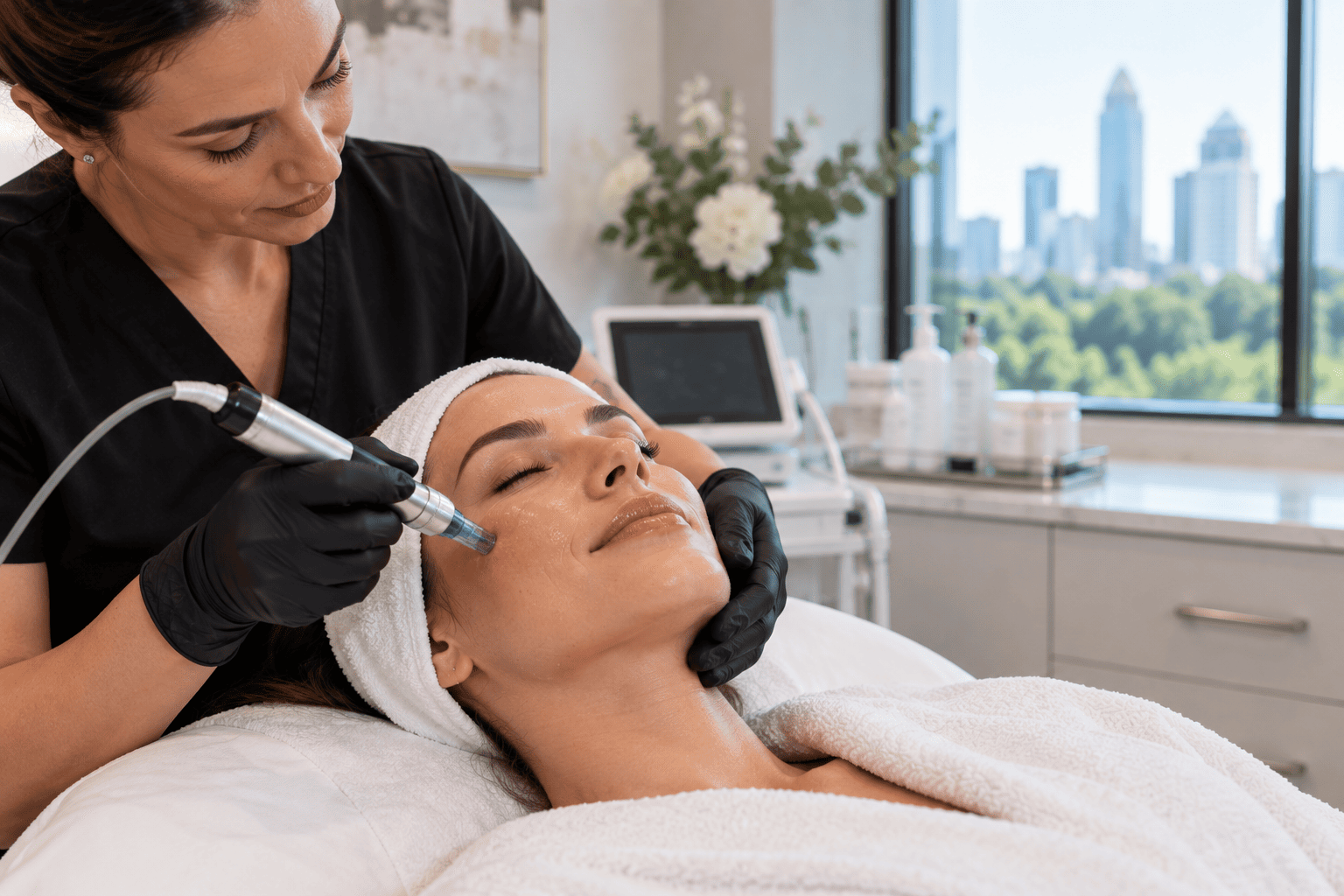
Microneedling feels different rather than worse. Instead of a few targeted pinches, you feel a vibrating, scratchy sensation as the device moves across the skin. At VRAI, a topical numbing cream is applied beforehand, and most patients describe the treatment as minimally uncomfortable. The bigger difference is aftercare: microneedling typically leaves skin red, similar to a mild sunburn, for a few days, while Botox usually leaves only small marks that fade quickly.
Botox vs. PRP
PRP and PRF treatments start with a small blood draw, followed by injections of your own processed plasma. That means two steps instead of one, and areas like the under-eyes or scalp can feel more sensitive. If you are fine with a routine blood test, the draw is usually the easy part.
A quick comfort snapshot
- Shortest appointment: Botox or Dysport, often 15 to 30 minutes
- Most "pinch" sensations: Filler and PRP, depending on the area
- Most surface sensation: Microneedling, with numbing applied first
- Least visible aftermath: Usually Botox
Who Tends to Worry Most About Botox Pain?
Botox comfort is not one size fits all, and it helps to know you are not alone in your hesitation.
Gen Z and younger adults booking a first appointment
Many younger patients come in curious about preventive Botox but nervous about needles. If you are in your twenties and new to injectables, it is completely reasonable to ask your provider to walk you through every step before starting. Knowing how many injection points to expect, and roughly how long each takes, makes the experience feel far more manageable.
Men who are new to aesthetics
Men are increasingly exploring Botox for forehead lines, frown lines, and a more rested look. Some feel uneasy saying they are nervous about needles. That nervousness is common, and a good injector will not rush you. Men also tend to have stronger facial muscles, which can affect dosing, but it does not usually change how the injections feel.
Busy professionals squeezing in a lunch-hour visit
If you are fitting treatment between meetings, the practical question is not only "will it hurt?" but "will anyone notice?" Botox is popular with working professionals precisely because most people return to normal activities right away. Minor redness or small bumps at the injection points usually settle quickly.
Can You Make Botox More Comfortable?
Yes. Small adjustments before and during your appointment can make a real difference.
Before your appointment
- Mention your nerves when you book. Your provider can plan a slower pace and explain each step.
- Eat beforehand and stay hydrated. Arriving hungry can make some people feel lightheaded.
- Ask about blood-thinning supplements and medications. Some products can raise the risk of bruising. Never stop a prescribed medication without talking to your doctor first.
- Plan around big events. If you bruise easily, leave a buffer of a week or two before a special occasion.
During your appointment
- Ask about comfort options. Your injector can tell you what is available and appropriate for your treatment area, such as cooling the skin.
- Breathe slowly. Steady breathing helps relax tense muscles.
- Keep your face relaxed. Clenching your jaw or scrunching your forehead makes the area feel tighter.
- Talk to your provider. If you need a short pause, simply say so.
After your appointment
Follow the aftercare guidance your provider gives you, such as avoiding rubbing or massaging the treated area. Mild tenderness is normal, but contact the clinic if you notice anything that feels unusual, such as worsening pain, significant swelling, or changes in your vision or eyelids.
When Should Botox Discomfort Be a Concern?
Botox is a well-studied prescription treatment, and Botox Cosmetic is FDA-approved for specific facial areas, including frown lines, crow's feet, forehead lines, and platysma bands of the neck. Like any medical treatment, it does carry potential side effects. The most common are temporary redness, swelling, bruising, or a mild headache. Less common effects, such as a drooping eyelid or brow, are typically temporary but should be reported to your provider.
Sharp or worsening pain is not typical. If something does not feel right after treatment, reach out rather than waiting it out. VRAI also offers injectable complication care, a reassuring sign that the team takes safety seriously.
Why Buckhead Patients Choose a Comfort-First Approach at VRAI
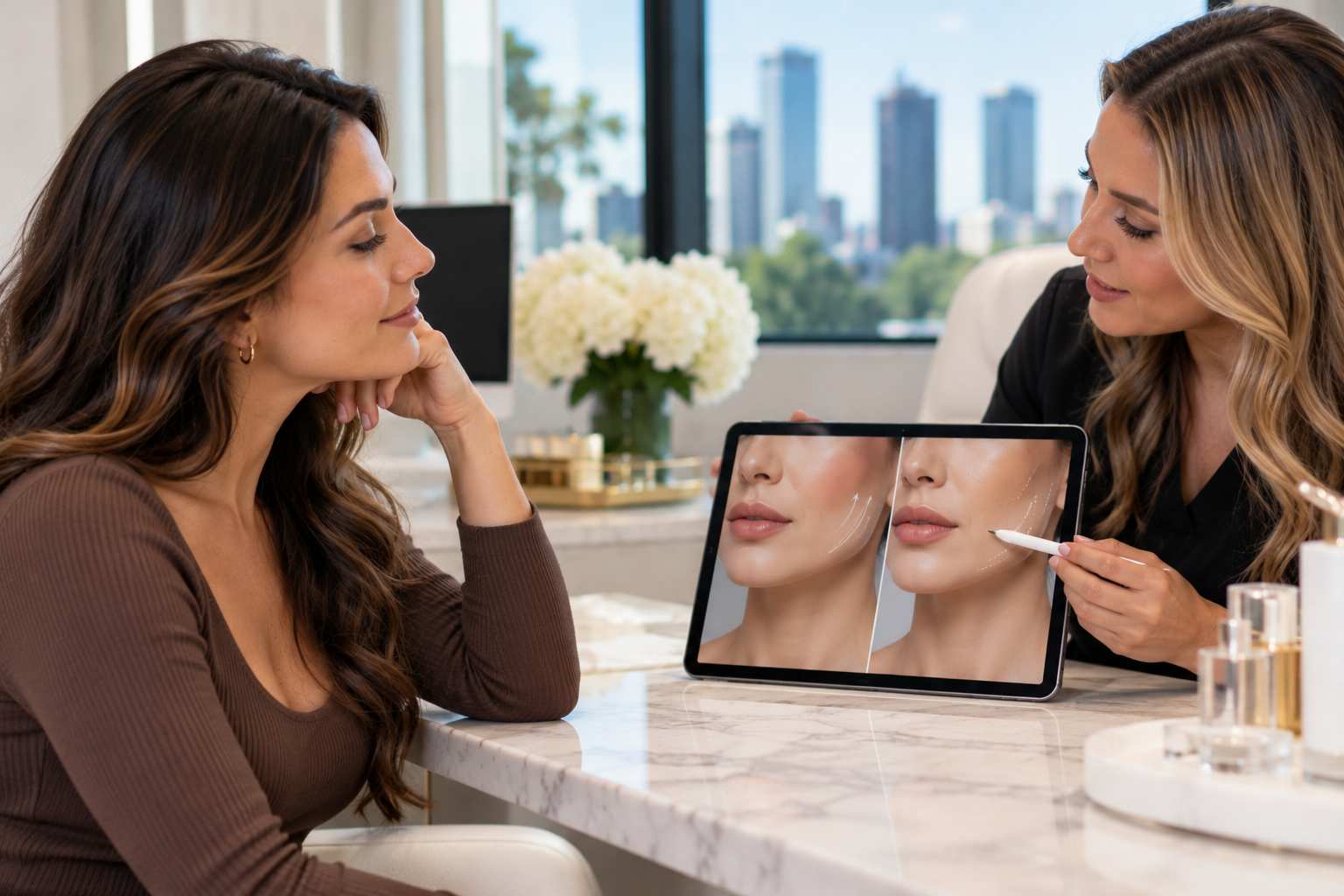
At VRAI Aesthetics & Concierge, the goal is not just smoother lines. It is a calm, personalized experience that leaves you feeling confident in your decision. The team includes experienced injectors and medical professionals, and every Botox and Dysport treatment begins with a conversation about your goals, your concerns, and your comfort.
For patients across Buckhead, as well as Sandy Springs, Dunwoody, and greater Atlanta, that means an unhurried consultation, clear explanations, and natural-looking results that fit your face. You can meet the team on the About page, or if you want a deeper dive into first-visit expectations, read our earlier guide on what to expect before, during, and after your first Botox treatment.
Frequently Asked Questions
Does Botox hurt the first time?
The first appointment can feel more intense simply because you do not know what to expect. Most first-timers say the sensation was quicker and milder than they imagined. Once you have been through it once, later appointments usually feel easier.
Which hurts more, Botox or lip filler?
For most people, lip filler is more noticeable. The lips are sensitive, and filler involves placing a thicker product. Botox in the upper face is typically quicker and lighter.
How long does Botox discomfort last after treatment?
Any stinging usually fades within minutes. Some people feel mild tenderness at the injection sites for the rest of the day. Small bumps typically settle within an hour or so.
Can I go back to work after Botox?
Most people return to work and normal activities right away. Your provider may recommend avoiding strenuous exercise, lying down, or rubbing the area for a few hours, so ask about specific aftercare at your visit.
Is Botox less painful than Dysport?
Botox and Dysport are both injected with fine needles in a similar way, so they generally feel alike. The choice between them is usually based on your treatment area, how quickly you want results, and your injector's recommendation rather than comfort.
Pinch Me, I'm Smoother
So, does Botox hurt? A little, briefly, and usually far less than people expect, especially next to fillers, PRP, or microneedling. The best way to feel calm is to work with an injector who explains each step and never rushes you.
Ready to see how simple your first appointment can be? Book a consultation with VRAI Aesthetics & Concierge and let our team create a plan that feels as good as the results look.