Does Microneedling Work on Melasma and Dark Spots in Buckhead, Georgia?
Melasma is one of the more frustrating skin concerns to deal with, mostly because it doesn't respond the way other pigmentation issues do. You might have already tried brightening serums or a stronger SPF routine, only to watch the patches fade a little in the winter and come right back the moment summer humidity and sun exposure pick back up. So it's a fair question to ask whether microneedling, which has a strong reputation for texture and scarring, actually does anything for pigmentation like this.
Updated August 2026
What Causes Melasma and Stubborn Dark Patches?
Melasma happens when pigment producing cells in the skin, called melanocytes, become overactive and produce excess pigment in patches, usually across the cheeks, forehead, or upper lip. Unlike a typical sunspot, melasma is heavily influenced by hormones, which is why it often shows up during pregnancy, with certain birth control methods, or during times of hormonal shift. Heat and sun exposure make it worse, but they're rarely the sole cause.
Why Does Pigmentation Get Worse in Georgia's Climate?
Georgia's combination of strong sun exposure and high humidity for much of the year is not particularly kind to melasma. Heat itself, separate from UV exposure, can trigger melanocyte activity, which is part of why so many patients notice their melasma flaring specifically in the warmer months, even with diligent sunscreen use.
This is also why melasma tends to be one of the more stubborn pigmentation concerns to treat. It's not just about protecting skin from the sun, it's about managing a condition that responds to heat, hormones, and inflammation all at once.
How Does Microneedling Affect Pigmented Skin Specifically?
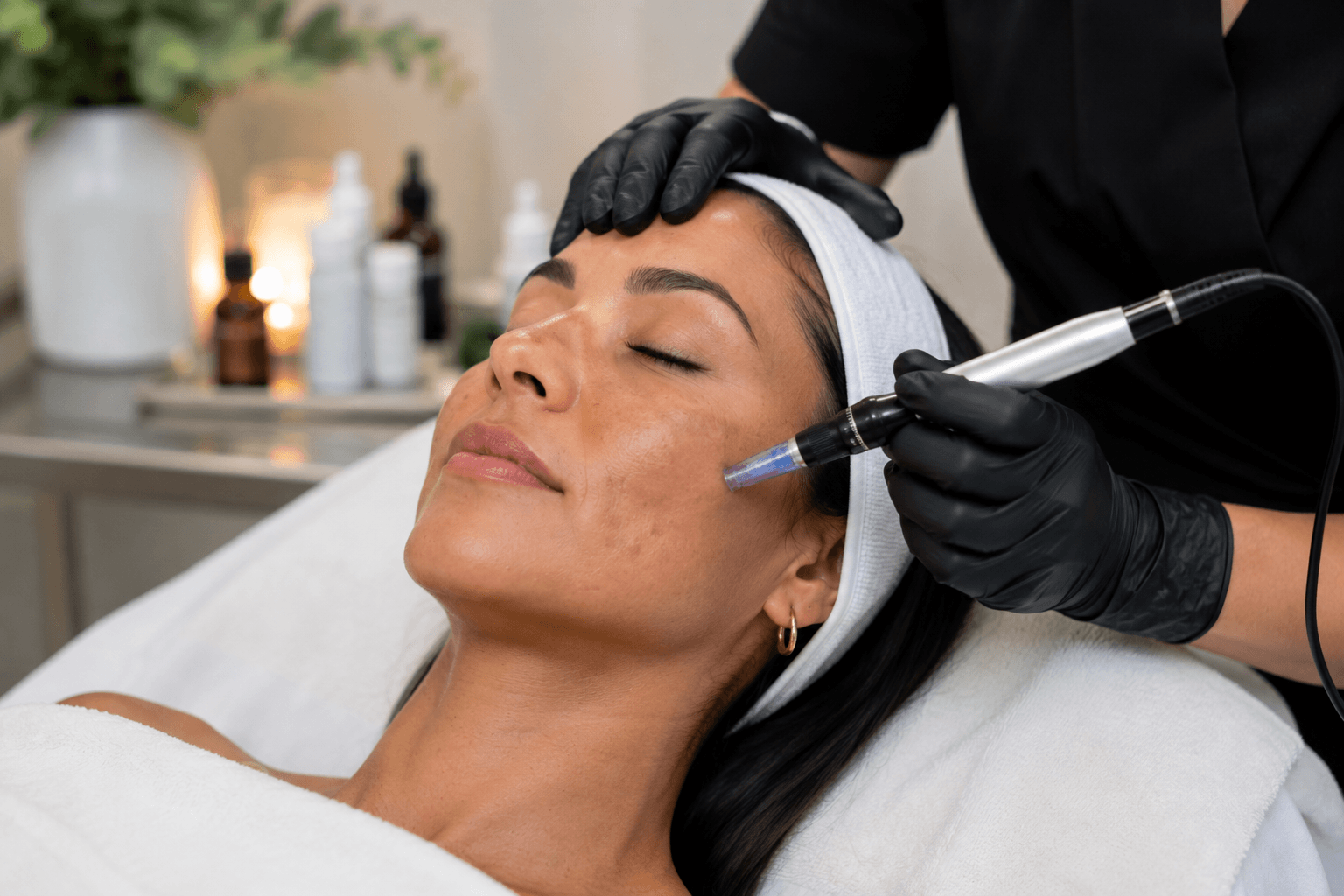
Microneedling can help with melasma, but the mechanism is different than how it treats scarring or texture. Rather than relying on the micro injury response to build collagen, microneedling for melasma is often used to improve the penetration of brightening or pigment regulating serums applied during treatment. The tiny channels created in the skin allow these ingredients to reach deeper layers than they would with topical application alone.
That said, melasma requires a gentler, more careful approach than scarring or texture concerns. Because melasma prone skin can be more reactive, overly aggressive treatment can actually trigger more pigmentation rather than less, which is why this isn't a treatment to approach without an experienced provider guiding the settings and technique.
Should It Be Paired With Other Treatments for Melasma?
For most patients, yes. Microneedling tends to work best as part of a broader melasma strategy rather than a standalone fix. This often includes a dedicated melasma treatment plan that addresses pigment at multiple levels, along with consistent daily SPF and, in many cases, prescription strength brightening ingredients used between sessions.
Combining approaches tends to produce more consistent, lasting improvement than any single treatment alone, largely because melasma is being managed rather than simply removed in one pass.
What Results Can Buckhead Patients Realistically Expect?
Melasma is manageable, but it's important to set expectations honestly. It rarely disappears completely and permanently, especially if hormonal or heat related triggers are still present in your life. What most patients can expect is a meaningful lightening of patches, a more even overall tone, and a plan to maintain that improvement long term.
Consistency matters more with melasma than with almost any other pigmentation concern. Skipping sunscreen for even a short stretch, or going through another hormonal shift, can bring pigment back, which is why ongoing maintenance is usually part of the plan rather than a one time treatment.
What Should a Melasma Consultation Include?
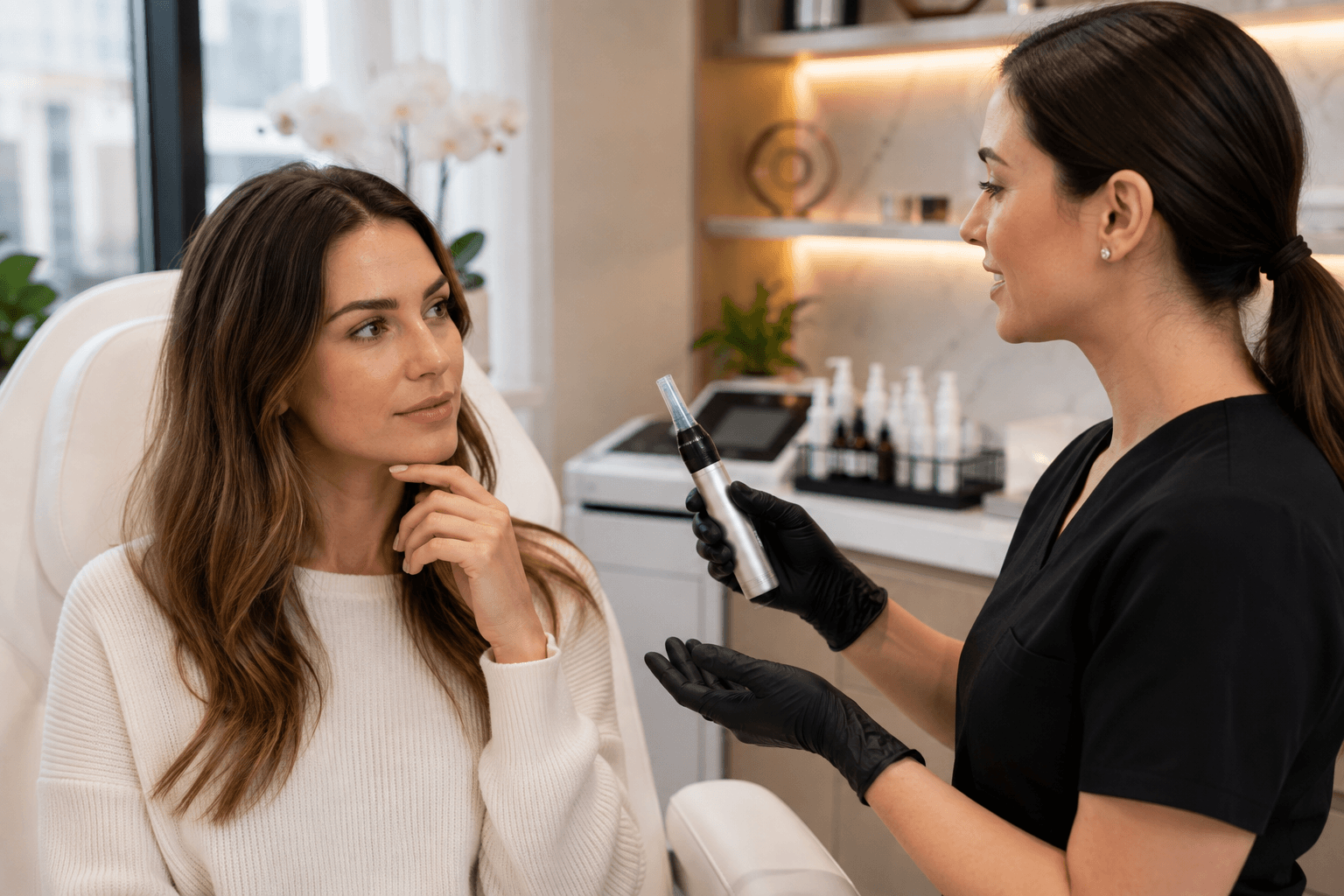
A thorough consultation should involve a detailed skin history, including any hormonal changes, medications, or previous treatments you've tried. Your provider should also examine your skin under proper lighting to understand how deep the pigmentation sits, since melasma can be superficial or run deeper into the skin, which affects which treatments will actually help.
Bringing This Back to Buckhead
If melasma has been a frustrating, recurring concern despite your best efforts with skincare alone, it's worth having a conversation about a more comprehensive plan. At VRAI, we combine microneedling with dedicated melasma treatment options to address pigmentation from multiple angles. For patients newer to microneedling in general, our broader post on whether microneedling works is a good starting point before diving into melasma specifically.
FAQs
Can microneedling make melasma worse? If done too aggressively or without proper technique, it's possible for melasma prone skin to react poorly. This is why working with an experienced provider matters more for melasma than for most other skin concerns.
How many microneedling sessions does melasma typically need? This varies by patient, but most melasma treatment plans involve multiple sessions combined with supporting skincare, since melasma is generally managed over time rather than resolved in one visit.
Is melasma permanent? Melasma tends to be a chronic, recurring condition rather than something that's cured outright, though consistent treatment and maintenance can keep it significantly lighter and less noticeable.
Does sunscreen alone help with melasma? Sunscreen is essential for managing melasma, but it usually isn't enough on its own to meaningfully lighten patches that have already developed.
Pigment, Managed. Confidence, Restored.
Melasma can feel like it's always one summer away from coming back, but a well built treatment plan makes a real difference in keeping it under control. Book a consultation with our Buckhead team to talk through a pigmentation plan built specifically around your skin.



.webp)
.webp)
.webp)