Does Microneedling Actually Work in Buckhead, Georgia?
Updated September 2026
If your For You Page has been throwing microneedling videos at you for months, you are not imagining it. It has become one of the most talked about skin treatments among people in their twenties and early thirties, largely because it promises something most trends do not: results backed by actual research instead of just a good filter. But before spending a paycheck on it, a reasonable question is worth asking. Does microneedling actually work, or is it another overhyped skincare moment?
Here is a grounded look at what microneedling does, what the evidence supports, and what it can realistically do for your skin if you are considering it in Buckhead, Georgia.
What Microneedling Actually Is
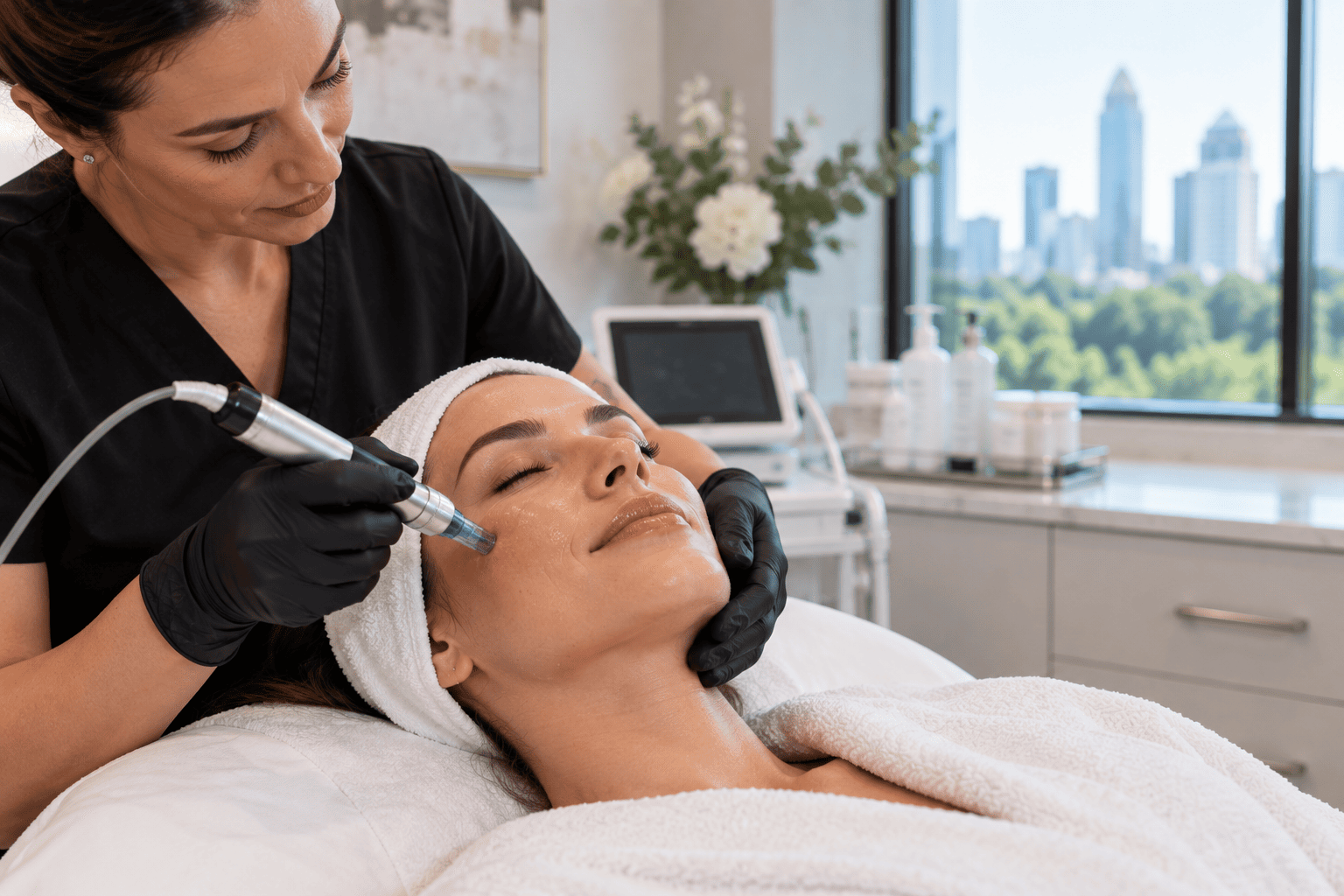
Microneedling uses a device with a series of fine, sterile needles to create controlled micro injuries in the top layer of skin. That might sound counterintuitive, intentionally injuring skin to improve it, but the logic is straightforward. Those tiny punctures trigger your body's natural wound healing response, which includes ramping up collagen and elastin production. Collagen is the structural protein that keeps skin firm, and elastin is what gives it bounce. Both decline steadily with age, which is part of why skin gradually loses tautness and gains fine lines over time.
The treatment is different from at home dermarollers, which use shorter needles and cannot reach the same depth or deliver the same controlled, consistent results as a professional device.
What the Research Actually Says
This is the part that matters most if you are the type to research before you book. Microneedling has been studied for conditions including acne scarring, fine lines, enlarged pores, and uneven texture, and the consensus across dermatology literature is that it produces measurable improvement in collagen density and skin texture, particularly when done in a series rather than a single session. It is not a myth propped up by marketing. It is one of the more evidence supported treatments in the aesthetic space, which is part of why it has held its popularity rather than fading like a lot of skincare trends do.
That said, results are not instant and they are not permanent in the sense that your skin will simply stay changed forever with no further care. Collagen production takes time to build and skin continues to age, so the honest answer is that microneedling works, but it works as a process, not a one time fix.
What Results Actually Look Like
At VRAI, microneedling sessions typically run 60 to 90 minutes and are recommended as a series of three to six treatments spaced a few weeks apart for the most noticeable improvement. Here is what that generally addresses:
- Fine lines and early signs of aging
- Acne scarring and textural irregularities
- Enlarged pores
- Hyperpigmentation and uneven tone
- Overall skin firmness and glow
Most clients notice some initial brightness within a few days as skin cell turnover speeds up, with more significant textural changes becoming visible over the following weeks as new collagen forms. For those wanting a more intensive option, RF microneedling combines the same needling technique with radiofrequency energy to reach deeper layers of skin, which can mean more dramatic results for concerns like scarring or skin laxity, though it typically involves more downtime.
Is It Worth It If You Are in Your Twenties?
This is where the Gen Z skepticism usually comes in, and it is a fair question. If you are not dealing with visible fine lines yet, why start now? The answer is less about reversing damage and more about being proactive. Collagen production naturally starts slowing in your mid to late twenties, well before any lines are visible in the mirror. Starting microneedling earlier is less about fixing existing aging and more about building a stronger skin foundation before you need it, similar to the logic behind preventative approaches many younger clients are now taking toward skincare in general.
It also genuinely helps with concerns that show up regardless of age, like acne scarring, congested pores, and uneven texture from breakouts, which makes it relevant even for people who are not thinking about wrinkles at all yet.
What to Expect During and After Treatment
Numbing cream is applied before the session to keep discomfort minimal, and most people describe the sensation as light pressure or a mild vibrating scratch rather than pain. Afterward, skin typically looks flushed, similar to a mild sunburn, for a day or two, along with some light sensitivity. Makeup is usually avoidable for at least 24 hours to let the skin heal properly. Sun protection matters more than usual during this window, since freshly treated skin is more reactive to UV exposure.
Because the treatment can be combined with other regenerative options like PRP therapy, many clients in Buckhead choose to pair sessions for enhanced results, using their own platelet rich plasma to further support the healing and collagen building process.
Choosing Where to Get It Done
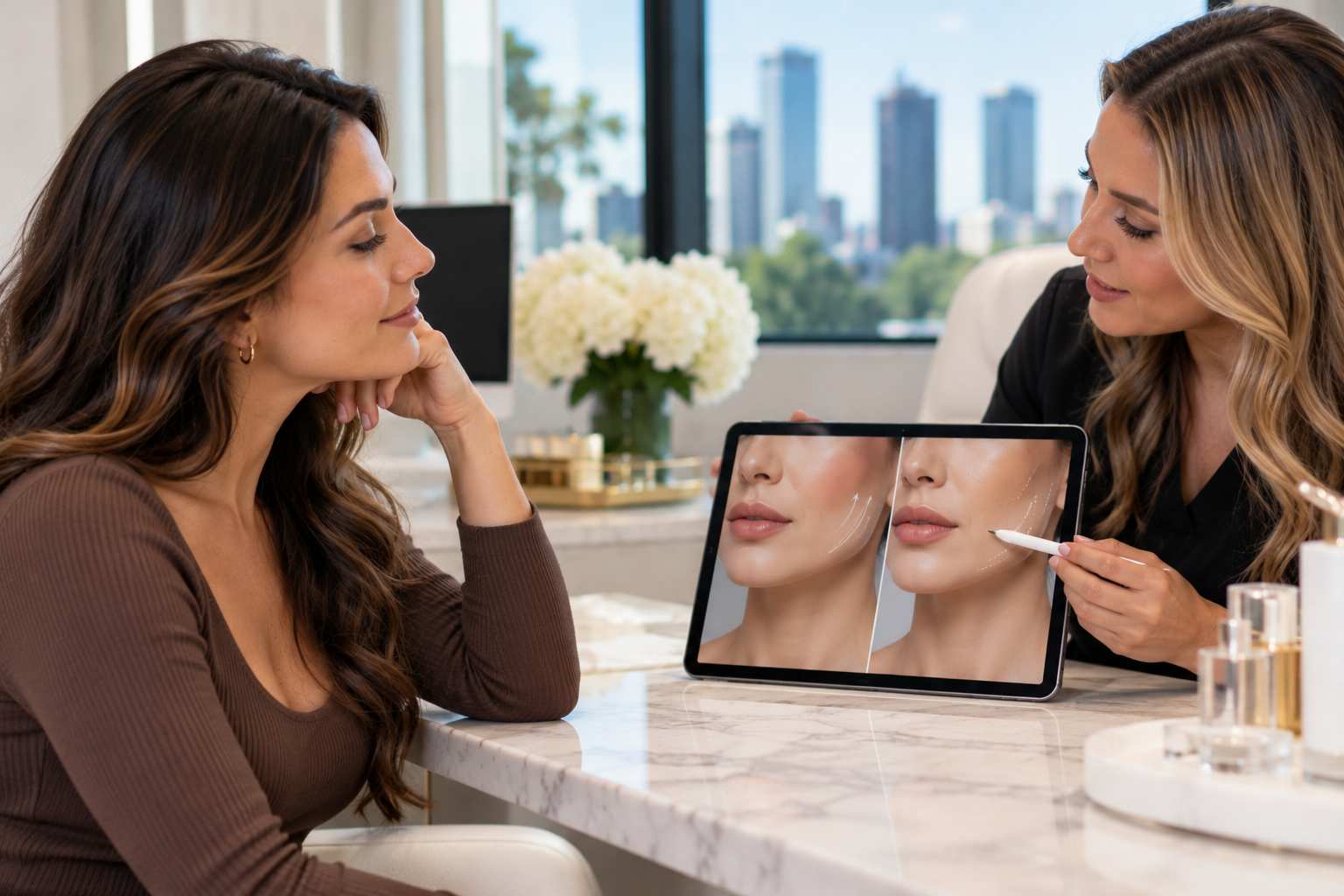
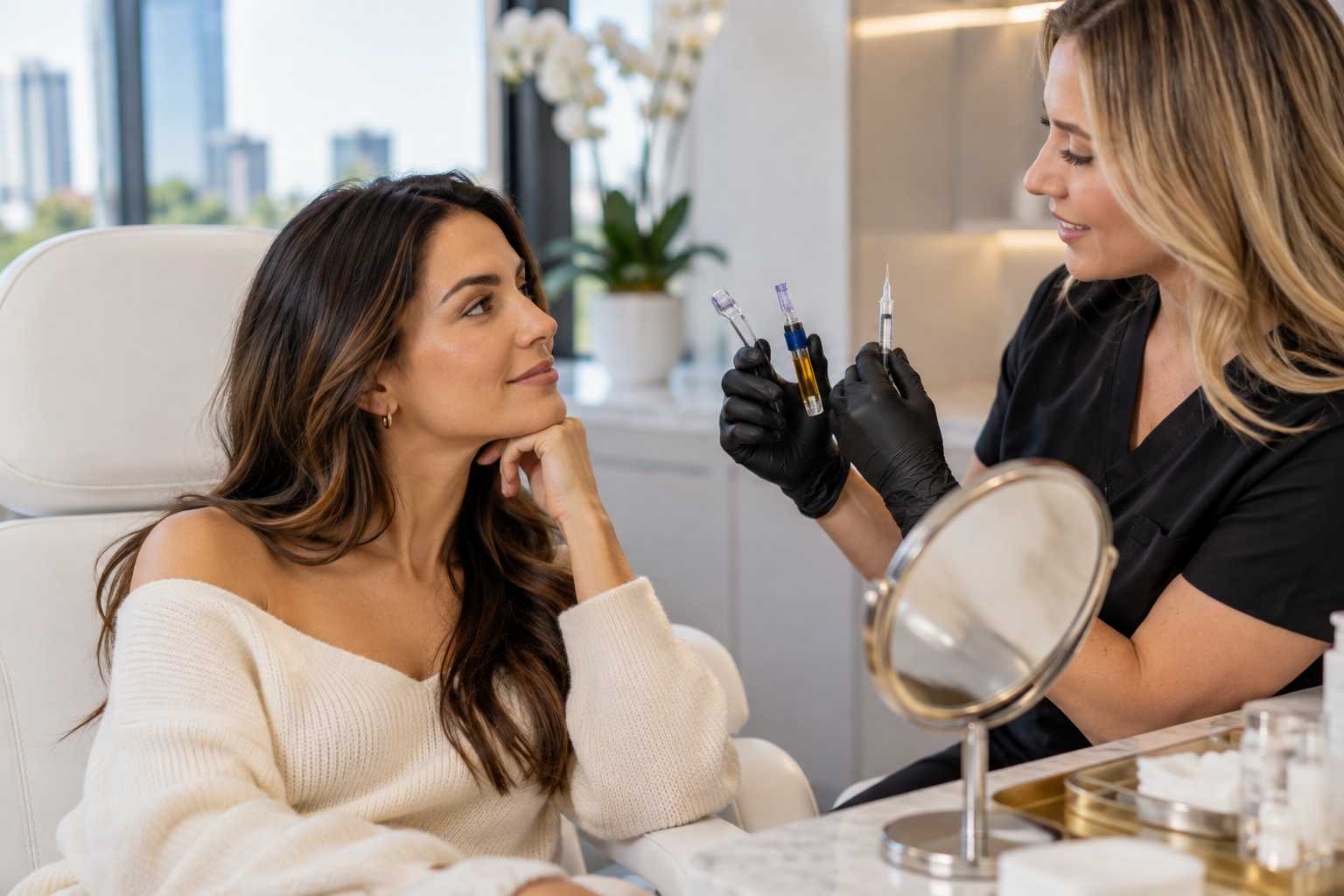
Because microneedling depth and technique matter for both safety and results, the provider matters as much as the treatment itself. Devices, needle depth, and technique vary, and improperly performed microneedling can lead to irritation or inconsistent results. Looking for a licensed provider with specific experience in microneedling, rather than a treatment added as an afterthought to a broader service menu, tends to make the biggest difference in outcome.
How Microneedling Fits Into a Broader Skincare Routine
One thing that gets lost in a lot of social media coverage of microneedling is that it works best as part of an ongoing routine rather than a single fix you do once and forget about. Collagen production is a gradual biological process, not a switch that flips after one appointment. That means the daily habits surrounding your treatment, like consistent sunscreen use, gentle cleansing, and avoiding harsh actives immediately before or after a session, play a real role in how well your results hold up.
At VRAI, providers typically walk clients through a simple aftercare routine and recommend specific medical grade skincare products formulated to support the skin while it heals and rebuilds collagen. Skipping this step does not undo the treatment, but pairing microneedling with the right products tends to extend and enhance the results noticeably compared to going in with no plan for the weeks in between sessions.
It is also worth setting realistic expectations about maintenance. Even after completing an initial series, most providers recommend periodic touch up sessions every few months to sustain results, since skin continues to age and collagen production naturally slows again over time. Thinking of microneedling as an ongoing part of your skincare approach, rather than a one time purchase, tends to lead to far more satisfaction with long term results.
Quick Answers Before You Book
How many sessions does it actually take to see a difference? Most clients start noticing changes after two to three sessions, with a full series of three to six treatments recommended for the most complete results.
Does microneedling hurt? With topical numbing applied beforehand, most people describe it as mild pressure or scratching rather than pain.
Is microneedling better than a chemical peel? They work differently and often complement each other. Peels target the surface layer through exfoliation, while microneedling works on deeper collagen production, which is why some clients incorporate both into a broader skincare plan.
Can microneedling help with acne scars specifically? Yes, it is one of the more well supported treatments for improving the appearance of acne scarring by encouraging collagen to fill in textural irregularities over time.
How soon can I go back to normal activities? Most people return to regular routines the next day, though makeup and intense sun exposure are best avoided for about 24 hours.
So, Does It Actually Work
Yes, and not because it is trending. Microneedling holds up because the mechanism behind it, triggering your skin's own collagen production, is genuinely supported by research, not just marketing language. If you are in Buckhead, Sandy Springs, Atlanta, Cobb, or Dunwoody and curious whether it is right for your skin specifically, book a consultation with VRAI to talk through your goals and see whether a standard or RF approach makes more sense for you.