How Do You Restore Damaged Hair in Buckhead, Georgia?
Updated September 2026
Between early meetings, client dinners, and the kind of Atlanta humidity that undoes a blowout by noon, Buckhead's working women put their hair through a lot. Add in frequent color appointments, hot tools, and the general wear and tear of a packed calendar, and it is no wonder so many women search for how to restore damaged hair before it gets out of hand. The good news is that damaged hair is rarely a lost cause. With the right combination of daily habits and professional scalp care, most people can rebuild strength, shine, and healthy growth over time.
This guide breaks down what actually damages hair, what you can do at home, and when it makes sense to bring in professional support, with a look at how VRAI approaches hair health for clients across Buckhead, Sandy Springs, Atlanta, Cobb, and Dunwoody.
What Causes Damaged Hair in the First Place?
Before you can fix damaged hair, it helps to understand what is actually happening to it. Hair damage usually falls into a few categories, and most people experience more than one at once.
Heat Styling and Mechanical Stress
Flat irons, curling wands, and daily blow dryers break down the protein structure of the hair shaft. Over time this shows up as split ends, frizz, and a rough texture that no amount of product seems to smooth out. Tight ponytails, extensions, and aggressive brushing add mechanical tension that can weaken strands near the root.
Chemical Processing
Color, bleach, keratin treatments, and relaxers all alter the hair's internal structure. A single process is rarely the issue. It is the repeated cycle of color correction, touch ups, and lightening that gradually strips moisture and elasticity, leaving hair prone to breakage.
Stress and Hormonal Shifts
This is the piece that busy professionals often overlook. Chronic stress, irregular sleep, and hormonal changes from postpartum recovery, thyroid issues, or perimenopause can push more hair follicles into a resting phase than usual. The result is hair that feels thinner, sheds more, and grows more slowly, even if you have not changed a single thing about your styling routine.
Nutritional Gaps
Crash diets, low iron, and inconsistent eating patterns (common when your calendar barely leaves time for lunch) can show up in your hair before they show up anywhere else, since hair growth is one of the first things the body deprioritizes when resources are limited.
Can Damaged Hair Actually Be Restored?
In most cases, yes, though the approach depends on where the damage is happening. Hair that is already grown out and processed cannot be repaired at a cellular level. What is broken is broken. But you can protect the hair you have, improve the quality of what grows in next, and support the scalp environment that determines how strong and full future growth will be.
That distinction matters because it points to two different strategies working together: better daily habits to protect existing hair, and scalp focused treatment to strengthen what comes next.
Everyday Habits That Help
- Reduce heat styling frequency and always use a heat protectant
- Space out chemical services and consider gentler color techniques like balayage that grow out softly
- Switch to a silk or satin pillowcase to reduce friction overnight
- Use a wide tooth comb on wet hair instead of brushing it while fragile
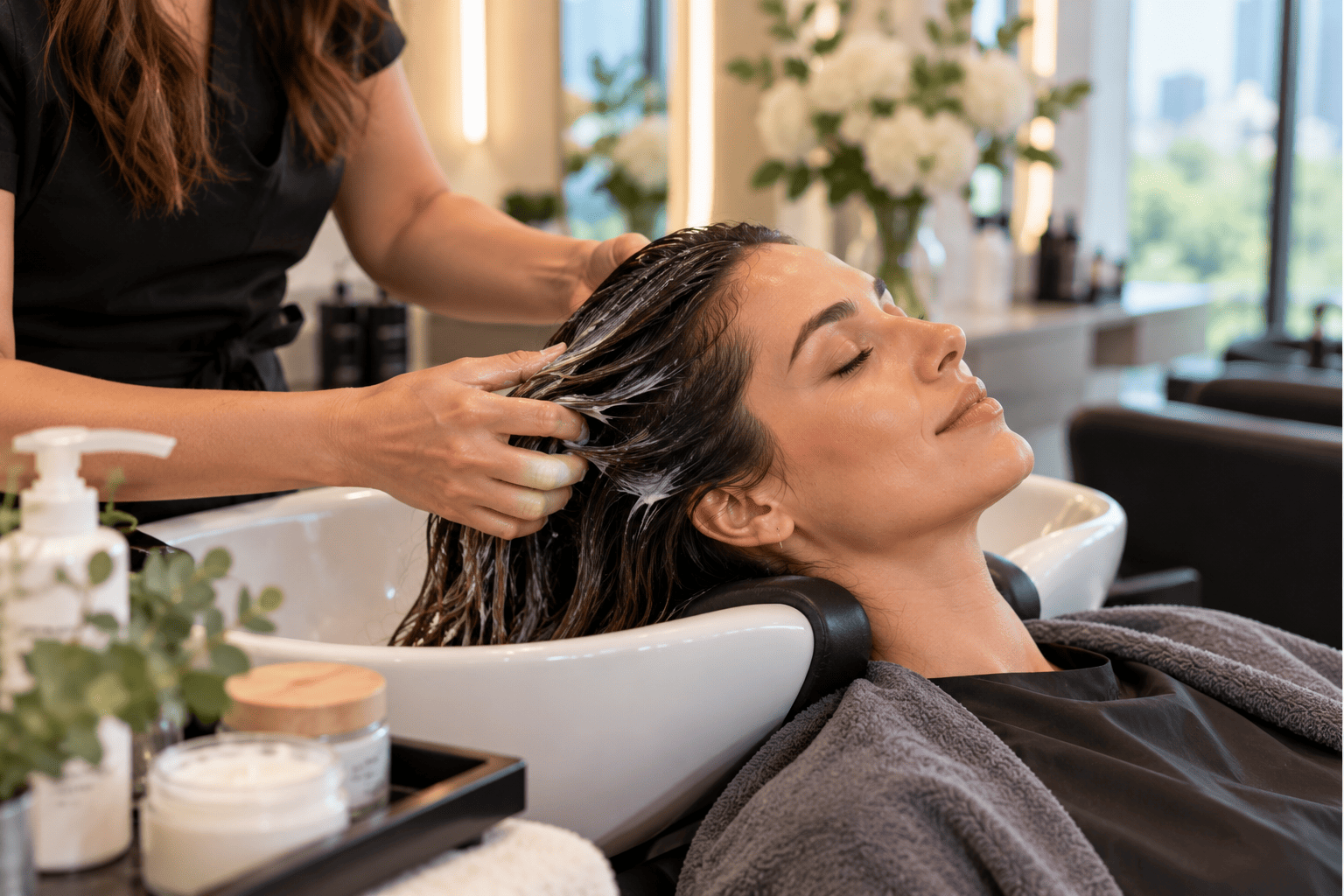
- Incorporate a weekly deep conditioning treatment to restore moisture
- Prioritize protein and iron rich foods, since hair health often reflects overall nutrition
These habits genuinely help protect the hair you already have. What they cannot do is address a scalp environment that is not producing strong, healthy follicles to begin with, which is where professional treatment becomes worth considering.
When Scalp Health Becomes the Real Issue
If your hair feels thinner overall, if your part looks wider than it used to, or if you are seeing more strands in the shower drain than you remember, the issue may not be about styling damage at all. It may be about the health of the follicles themselves. This is an area where at home products tend to fall short, since most shampoos and serums only reach the hair shaft and cannot meaningfully change what is happening beneath the surface of the scalp.
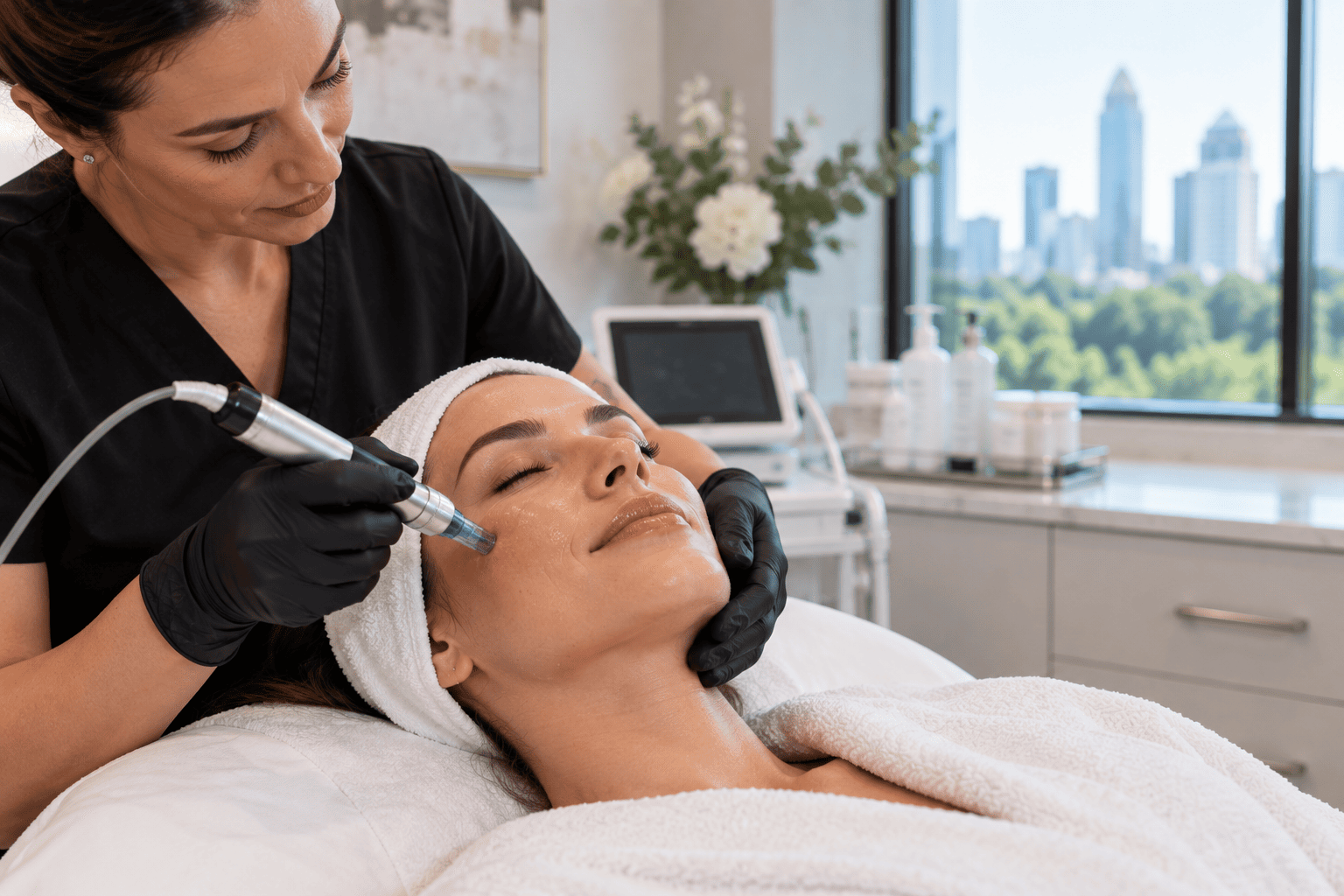
At VRAI, this is where treatments like PRP hair restoration and LC Bright Hair and Skin Renewal come in. PRP therapy uses growth factors drawn from your own blood to stimulate dormant or underperforming follicles, encouraging them toward a healthier, more active growth phase. LC Bright takes a similar collagen stimulating approach aimed at improving scalp circulation and follicle strength. Both are designed to work with your body's own biology rather than masking the issue with topical coverage.
For clients dealing with more noticeable thinning, VRAI's hair loss treatment program combines these regenerative approaches with a plan tailored to what is actually driving the change, whether that is genetics, hormones, or the cumulative effect of a demanding schedule. Most clients begin noticing improvement within a few months, with fuller results developing over six to twelve months as new growth cycles complete.
What a Buckhead Consultation Actually Looks Like
If you are considering professional support, a consultation is less about being told you need a treatment and more about understanding what is actually happening with your hair and scalp. At VRAI, that typically includes a conversation about your history with color and styling, any recent stress or health changes, and a look at your scalp to assess follicle density and activity. From there, a plan is built around your specific pattern, whether that means a series of PRP sessions, LC Bright treatments, or a combination approach.
For clients balancing this with a demanding professional life, VRAI's Buckhead location is built around efficient, low downtime sessions that fit into a lunch break or a morning before the office, without requiring you to rearrange your week.
Supporting Your Results Between Visits
Professional treatment works best alongside the habits mentioned earlier. A customized facial or medical grade skincare routine will not directly treat your scalp, but the same principle of consistency applies across your whole regimen. Protecting your hair from unnecessary heat and chemical stress while your follicles are actively regenerating gives your results the best possible chance to show.
A Few Honest Answers Before You Book
Is damaged hair the same as hair loss? Not exactly. Damaged hair usually refers to breakage, dryness, and a rough texture from styling or chemical processing. Hair loss refers to fewer active follicles or a slower growth cycle. Many people experience both at once, which is why a proper assessment matters before choosing a treatment path.
How long does it take to see results from scalp treatments like PRP? Most clients report early improvement within two to three months, with more complete results appearing between six and twelve months as new hair completes a full growth cycle.
Will cutting off damaged ends help hair grow faster? Trimming does not speed up growth, since that happens at the follicle, not the ends. It does prevent split ends from traveling further up the shaft, which keeps hair looking healthier overall.
Is this treatment right for postpartum or hormone related thinning? Many clients pursue hair restoration support for exactly this reason. A consultation can help determine whether your pattern is temporary and likely to resolve on its own or whether treatment would help support the process.
Do I need to change my color routine while undergoing scalp treatment? Not necessarily, but spacing out chemical services and reducing heat styling during an active treatment series tends to support better outcomes.
The Glow Up Your Hair Actually Deserves
Damaged hair is rarely one single problem with one single fix. It is usually a combination of daily wear, a demanding schedule, and a scalp that has not had the support it needs to keep up. The habits above can protect what you have, and for anyone in Buckhead, Sandy Springs, Atlanta, Cobb, or Dunwoody dealing with thinning or slow growth underneath it all, a closer look at scalp health may be the missing piece. Schedule a consultation with VRAI to talk through what is actually happening with your hair and what a realistic path forward looks like.