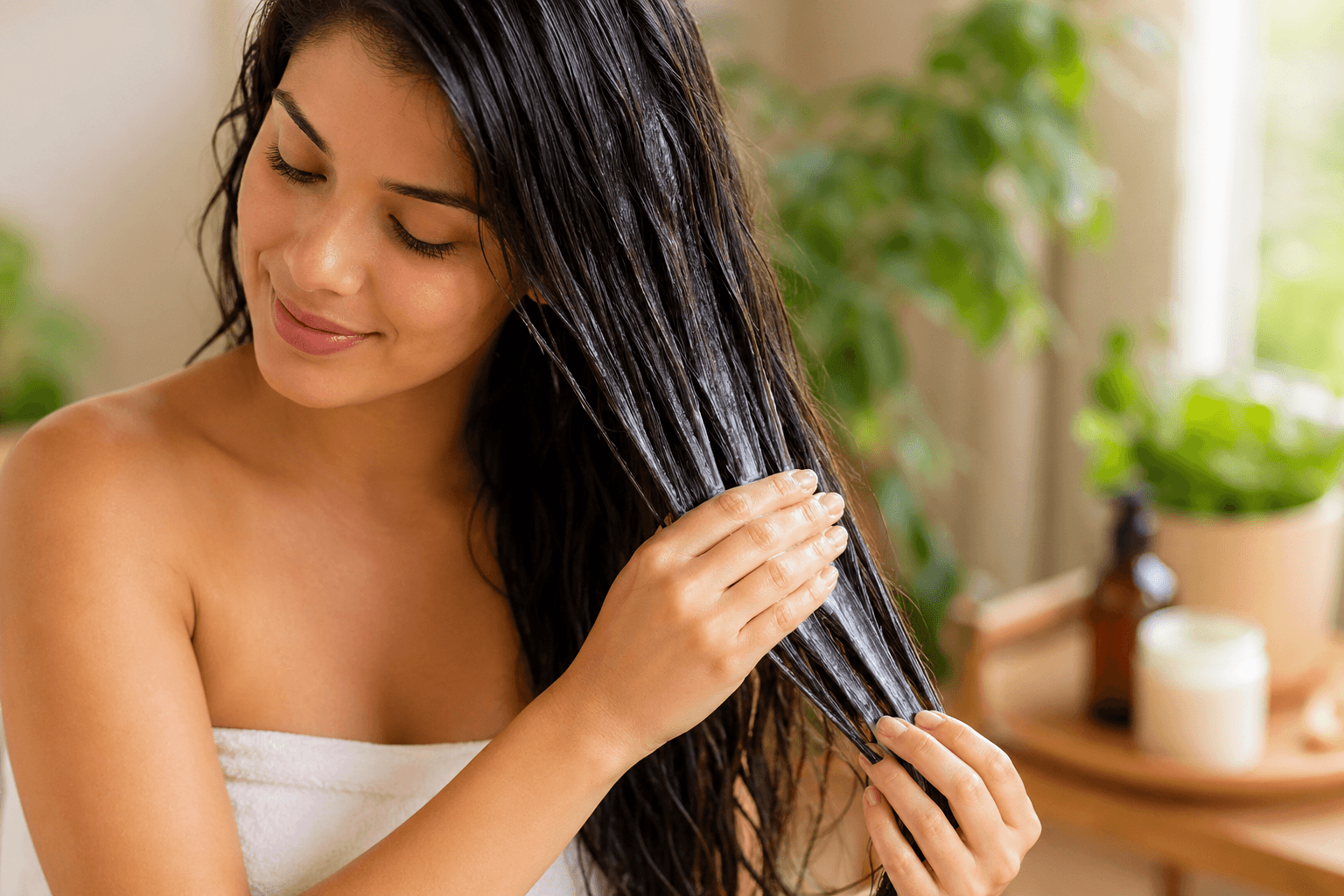
How to Restore Damaged Hair Without Starting Over
Healthy, shiny hair is often seen as a reflection of overall wellness, but daily habits, environmental stress, and styling routines can take a toll over time. If you’ve been asking yourself, “How to restore damaged hair?” you’re not alone. Whether your strands feel dry, brittle, or lifeless, the good news is that repair is possible with the right approach.
Updated April 2026
This guide breaks down what actually works, what to avoid, and how to rebuild stronger, smoother hair from the inside out, especially for those living in Sandy Springs and nearby areas like Buckhead, Cobb, Atlanta, and Dunwoody, GA, where humidity and seasonal shifts can play a major role in hair health.
Understanding What “Damaged Hair” Really Means
Before jumping into solutions, it helps to understand what damage looks like at a structural level.
Hair damage typically happens when the outer layer of the hair, called the cuticle, becomes lifted or broken. This exposes the inner layers, leading to:
- Split ends
- Frizz and dryness
- Breakage
- Dull appearance
- Difficulty retaining moisture
In climates like Atlanta and Sandy Springs, frequent humidity changes can worsen these issues, making already damaged hair even more difficult to manage.
What Causes Hair Damage in the First Place?
Hair damage rarely comes from just one source. It is usually a combination of habits and environmental exposure.
Heat Styling
Frequent use of flat irons, curling wands, and blow dryers can weaken the hair shaft over time. High heat strips moisture and breaks down protein bonds.
Chemical Treatments
Coloring, bleaching, relaxers, and perms alter the structure of your hair. Without proper care, they can leave strands fragile and prone to breakage.
Environmental Factors
Living in areas like Sandy Springs and Buckhead means dealing with:
- UV exposure
- Humidity fluctuations
- Pollution
All of these contribute to dryness and oxidative stress on the hair.
Poor Hair Care Habits
Using harsh shampoos, skipping conditioner, or brushing wet hair aggressively can all accelerate damage.
Step One: Stop the Damage Before You Repair It
Restoration begins with prevention. Continuing damaging habits while trying to repair your hair is like trying to fix a leak while the water is still running.
Start by:
- Reducing heat styling frequency
- Using heat protectant products
- Switching to sulfate free shampoos
- Limiting chemical treatments
Even small changes can make a noticeable difference over time.
Deep Hydration Is Non-Negotiable
One of the most effective ways to restore damaged hair is to focus on moisture.
Why Moisture Matters
Damaged hair struggles to retain water. Without proper hydration, it becomes brittle and prone to breakage.
What Works Best
Hydration treatments help smooth the cuticle, making hair appear shinier and feel softer.
In humid areas like Dunwoody and Cobb County, hydration also helps control frizz by balancing moisture levels inside the hair shaft.
Protein Treatments: Repair from Within
While moisture adds softness, protein helps rebuild strength.
When You Need Protein
If your hair feels:
- Mushy when wet
- Overly stretchy
- Weak and prone to snapping
It likely needs protein support.
How Protein Helps
Protein treatments temporarily fill in gaps along the hair shaft, improving structure and resilience.
The key is balance. Too much protein can make hair stiff, so alternating between moisture and protein treatments is essential.
Trim Strategically, Not Drastically
You do not always need a major haircut to restore your hair.
Regular trims help:
- Remove split ends before they travel upward
- Improve overall appearance
- Prevent further breakage
For most people, trimming every six to eight weeks keeps damage under control without sacrificing length.
Scalp Health Is Part of the Equation
Healthy hair starts at the scalp.
If your scalp is dry, inflamed, or clogged, it can affect how your hair grows and retains strength.
Simple Ways to Support Your Scalp
- Gentle exfoliation once or twice a month
- Scalp massages to boost circulation
- Lightweight serums to nourish the skin
In urban areas like Atlanta, buildup from pollution and styling products can accumulate quickly, making scalp care even more important.
Minimize Mechanical Stress
Daily habits can either protect or damage your hair.
Watch Out for:
- Tight hairstyles that pull on the roots
- Rough towel drying
- Brushing wet hair without detangling first
Switching to silk pillowcases and using wide-tooth combs can significantly reduce breakage over time.
Nutrition Plays a Bigger Role Than You Think
Hair restoration is not just about what you apply externally.
Your body needs nutrients to produce strong, healthy hair.
Key Nutrients for Hair Health
- Biotin
- Vitamin D
- Iron
- Omega-3 fatty acids
A balanced diet supports growth and helps repair damage from within.
Professional Treatments That Support Hair Renewal
For those looking to go beyond at-home care, professional treatments can provide deeper restoration.
Some advanced hair renewal therapies focus on:
- Strengthening weakened strands
- Improving moisture retention
- Enhancing shine and smoothness
If you are exploring options in Sandy Springs or nearby areas like Buckhead and Dunwoody, look for treatments specifically designed for damaged or overprocessed hair rather than general conditioning services.
These targeted solutions often deliver faster and more noticeable improvements when combined with a solid at-home routine.
How Long Does It Take to Restore Damaged Hair?
This is one of the most common questions, and the answer depends on the level of damage.
Mild Damage
With consistent care, improvement can be seen in a few weeks.
Moderate Damage
Expect noticeable changes within one to two months.
Severe Damage
Full restoration may take several months, and some trimming may be necessary.
Consistency is the most important factor. There is no overnight fix, but steady progress leads to lasting results.
Common Mistakes That Slow Down Hair Recovery
Even with the best intentions, certain habits can delay progress.
Overwashing
Washing too frequently strips natural oils, leaving hair dry and vulnerable.
Using the Wrong Products
Heavy products can weigh hair down, while harsh formulas can worsen damage.
Ignoring Heat Protection
Skipping heat protectant even once can undo weeks of progress.
Expecting Instant Results
Hair repair takes time. Switching routines too often can prevent real improvement.
Building a Simple Weekly Routine
A consistent routine makes restoration manageable.
Example Routine
- Shampoo two to three times per week with a gentle formula
- Use conditioner every wash
- Apply a deep conditioning mask once weekly
- Limit heat styling to special occasions
- Use a leave-in treatment daily
Keeping things simple helps you stay consistent, which is what truly drives results.
Local Considerations for Sandy Springs and Atlanta Residents
Hair care needs can vary depending on where you live.
In Sandy Springs and surrounding areas like Cobb and Buckhead, factors like humidity and seasonal temperature swings can affect how your hair behaves.
Tips for Local Conditions
- Use anti-humidity products during warmer months
- Focus on hydration during colder, drier seasons
- Protect hair from sun exposure when spending time outdoors
Adapting your routine to your environment can make a noticeable difference in how quickly your hair recovers.
FAQs About Restoring Damaged Hair
Can damaged hair really be repaired, or does it just need to be cut off?
Hair cannot fully heal itself once the structure is compromised, but it can be significantly improved with the right care. Treatments, hydration, and trims help restore appearance and strength without removing all length.
How often should I use deep conditioning treatments?
For most people, once a week is ideal. If your hair is severely damaged, you can increase this to twice weekly until you notice improvement.
Is it better to air dry or blow dry damaged hair?
Air drying is generally safer, but if you need to blow dry, always use a heat protectant and keep the temperature low to minimize further damage.
What is the fastest way to restore damaged hair?
There is no instant solution, but combining professional treatments with a consistent at-home routine delivers the fastest visible improvement.
Does humidity make damaged hair worse?
Yes, especially in areas like Atlanta and Sandy Springs. Damaged hair absorbs moisture unevenly, leading to frizz and swelling. Using smoothing and hydrating products can help manage this.
Are salon treatments necessary for repairing hair?
Not always, but they can accelerate results. Professional treatments are especially helpful for moderate to severe damage when at-home care is not enough.
Your Hair Comeback Story Starts Here
Think of restoring your hair as a reset rather than a quick fix. It is less about chasing perfection and more about rebuilding strength, softness, and confidence one step at a time.
With the right balance of care, consistency, and patience, even the most stressed strands can bounce back. And when they do, it is not just about how your hair looks, but how it feels every time you run your fingers through it.


.webp)
.webp)
.webp)