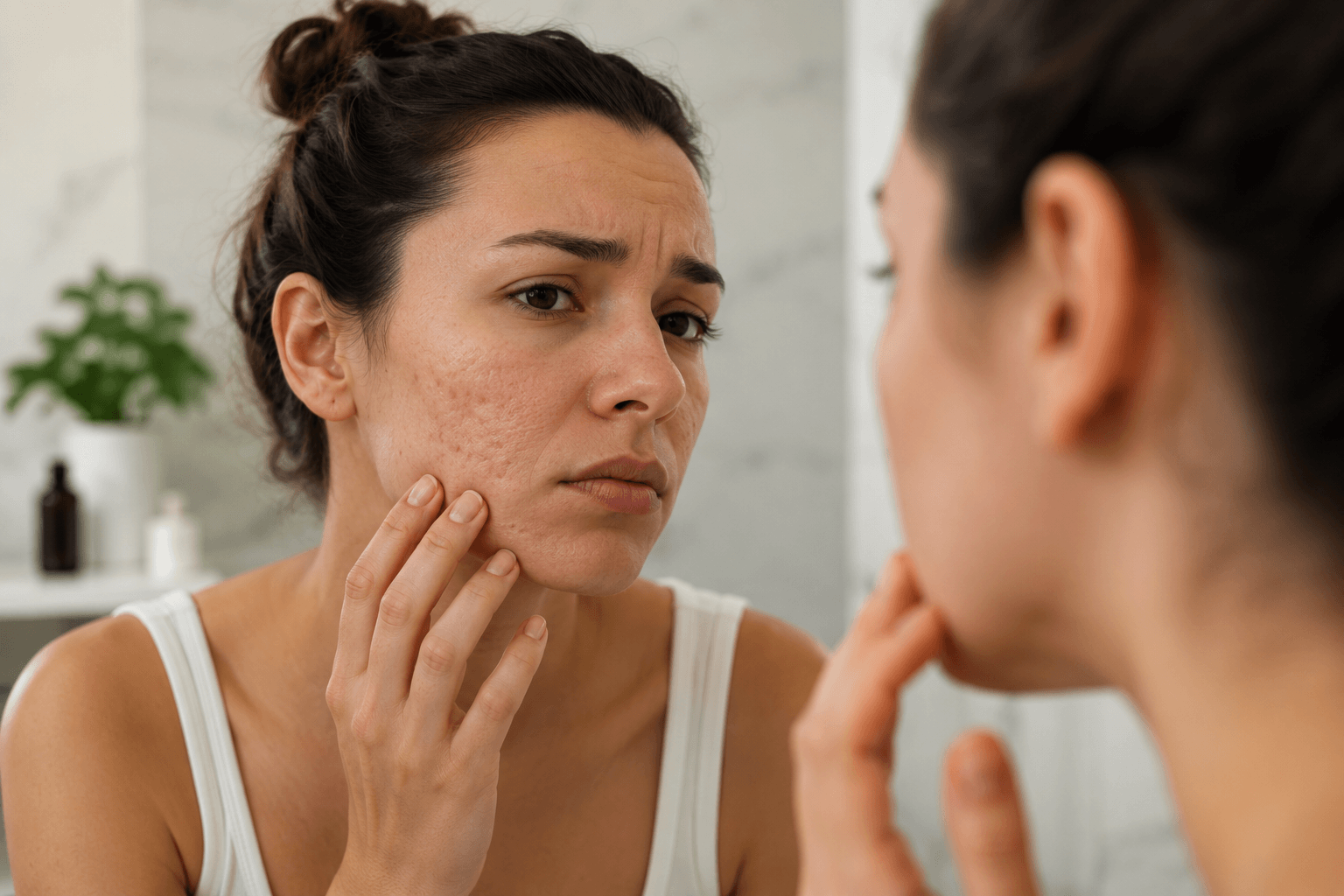
Why Won't My Acne Scars and Large Pores Go Away in Buckhead, Georgia?
You've tried the serums. You've tried the exfoliating masks. Maybe you've even tried a few different cleansers that promised to shrink pores overnight. And yet, the texture is still there, the little pockmarks from acne years ago are still visible in certain lighting, and the pores across your nose and cheeks still seem to catch every bit of makeup you put on. At a certain point, skincare products alone can only do so much, and it's worth understanding why.
Updated August 2026
What Actually Causes Enlarged Pores and Textured Skin?
Pores don't actually shrink or grow, but they can appear larger or smaller depending on what's inside them and how elastic the surrounding skin is. Oil buildup, dead skin cells, and lost collagen around the pore opening all make pores look more prominent. Textured skin, meanwhile, is often the result of the skin's surface losing smoothness due to scarring, sun damage, or simply the natural slowdown of collagen production as we age.
Is It Genetics, Sun Damage, or Old Acne Scarring?
Usually it's some combination of all three. Genetics plays a role in how much oil your skin naturally produces and how elastic your skin is to begin with. Sun exposure, which is a real factor living in Georgia's climate, breaks down collagen over time and can make pores and texture more noticeable. And acne scarring, even from breakouts that happened years ago, can leave behind small indentations that never fully resolved on their own.
The tricky part is that most topical products only address the very surface layer of skin. Acne scars and enlarged pores are structural issues that live deeper in the skin, which is why they tend to resist even a very good skincare routine.
How Does Microneedling Repair Skin at a Deeper Level?
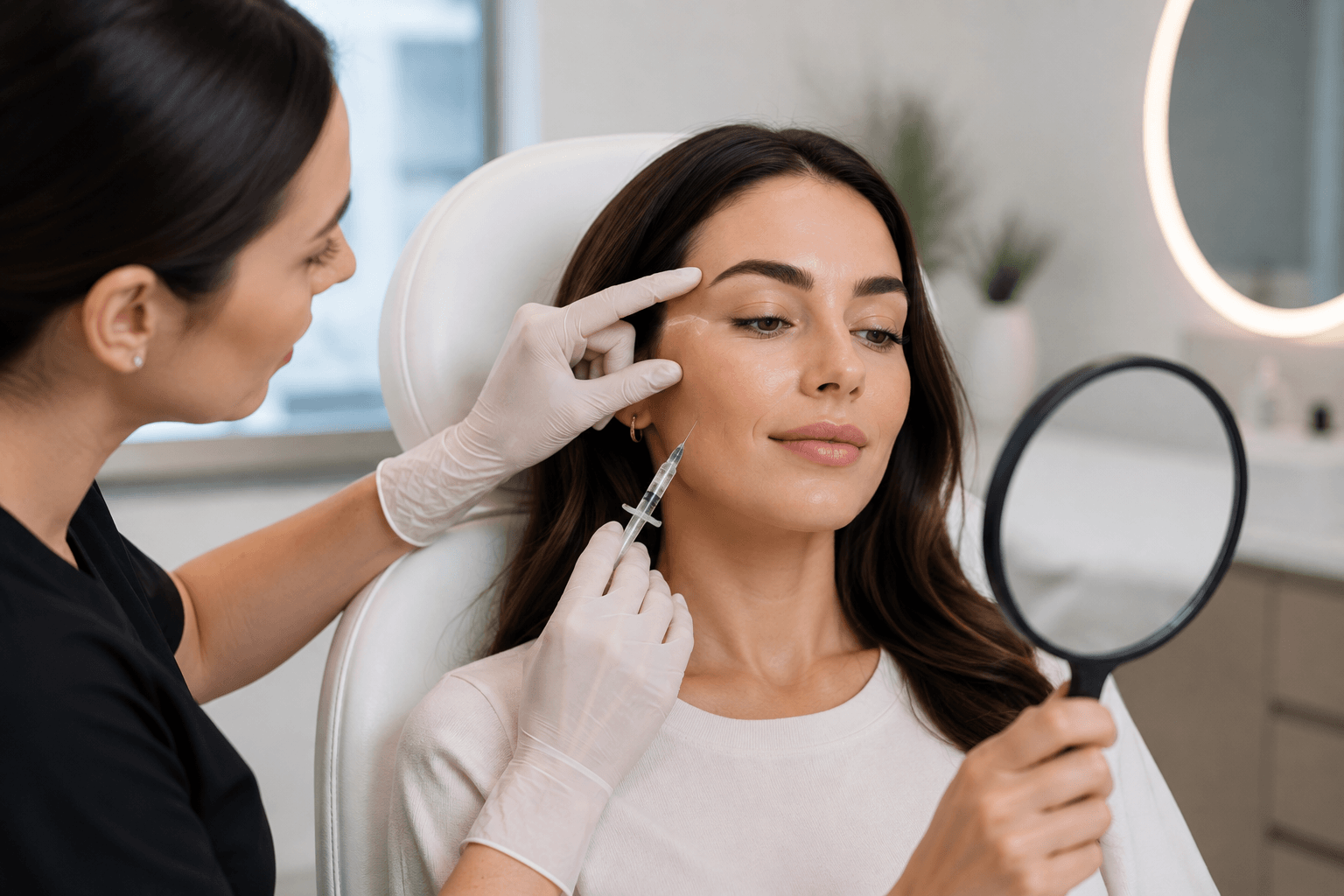
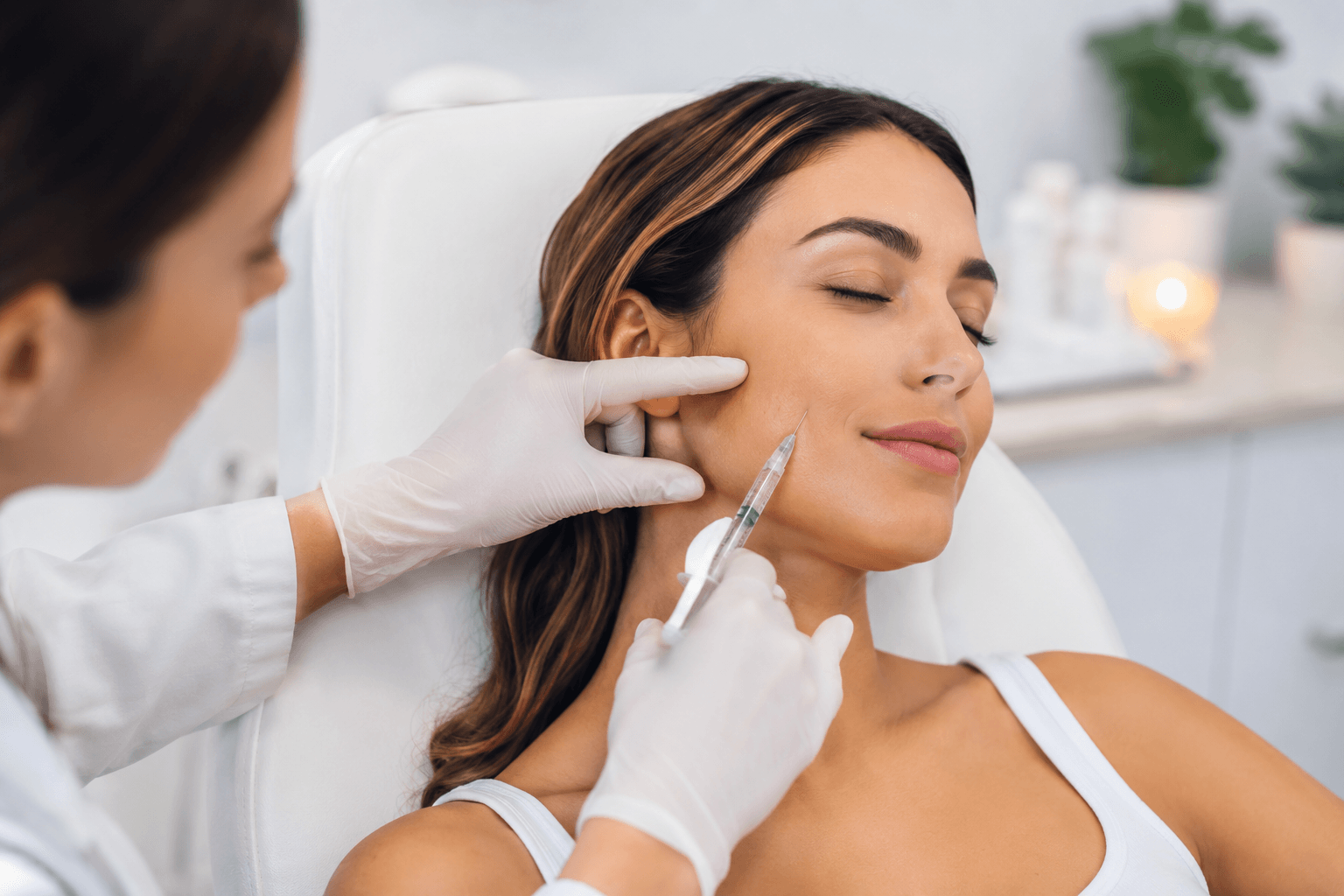
Microneedling works by creating a controlled series of micro injuries in the skin using very fine needles. This sounds intense, but the punctures are tiny, and the process triggers your skin's natural healing response, which includes a fresh wave of collagen and elastin production. Over the following weeks, that new collagen fills in scarring, tightens pore openings, and smooths overall texture from the inside out rather than just treating the surface.
This is a big part of why microneedling tends to outperform topical treatments for scarring specifically. It's working with your skin's own repair process rather than trying to mask the issue temporarily.
RF Microneedling vs Traditional Microneedling, What's the Difference?
Traditional microneedling uses fine needles alone to create that controlled injury response. RF, or radiofrequency, microneedling adds heat energy delivered through the needles as they go into the skin, which stimulates even more collagen remodeling and can tighten skin at the same time it improves texture.
For deeper acne scarring or more significant textural concerns, RF microneedling often produces more noticeable results in fewer sessions, though both approaches can be effective depending on your skin's specific needs. This is something your provider can help determine during a consultation, based on how deep the scarring is and how your skin responds to a test area.
How Many Sessions Do Buckhead Patients Typically Need?
Most people see gradual improvement over a series of three to six sessions, spaced about four to six weeks apart, which gives your skin time to fully rebuild collagen between treatments. Some improvement is visible within the first couple of weeks after a session, but the more significant changes in texture and scarring tend to build over the full course of treatment.
Many patients then move to occasional maintenance sessions, since ongoing collagen support helps preserve results and keeps skin looking refreshed as it continues to age.
What Should You Expect During and After Treatment?
The treatment itself typically takes 30 to 60 minutes, depending on the areas being treated. A numbing cream is applied beforehand to keep discomfort minimal. Afterward, skin often looks flushed, similar to a mild sunburn, for a day or two, and some light flaking can occur as the skin renews itself over the following week.
Most people are comfortable returning to normal activities the next day, though sun protection becomes especially important during the healing process.
Bringing This Back to Buckhead
If acne scarring or enlarged pores have been a long term frustration despite a solid skincare routine, it might be time to look at a treatment that works below the surface. At VRAI, our microneedling services are tailored to your specific skin concerns, whether that's old scarring, texture, or general collagen support. For a broader look at how microneedling performs for Buckhead and Sandy Springs patients overall, our post on whether microneedling actually works is a helpful companion read.
FAQs
Can microneedling really improve old acne scars? Yes. Microneedling stimulates new collagen production, which gradually fills in indented scarring and smooths overall skin texture over a series of sessions.
Does microneedling help with large pores specifically? It can. As collagen rebuilds around the pore opening, pores often appear smaller and less noticeable, especially with a full treatment series.
Is RF microneedling better than traditional microneedling for scarring? RF microneedling adds heat energy that can accelerate collagen remodeling, which often benefits deeper scarring, though your provider can recommend the right option based on your skin.
How soon will I see results from microneedling? Some glow is visible within days, but noticeable improvement in scarring and texture typically develops over several weeks as new collagen forms.
Texture Update Complete, Skin Notified
Enlarged pores and old acne scars don't have to be a permanent fixture just because your skincare routine has hit its limit. Book a consultation with our Buckhead team to talk through a microneedling plan built around your skin's actual needs.

.webp)
.webp)
.webp)