
Why Is My Hair Thinning Even Though I’m Healthy?
If you eat well, exercise regularly, and take care of your body, hair thinning can feel confusing and frustrating. Many people assume hair loss only happens due to aging or poor health, but that is not always the case. Even individuals who appear perfectly healthy can experience noticeable changes in hair density, texture, or growth patterns.
Hair thinning often has underlying causes that are not immediately obvious. From stress and nutrient imbalances to hormonal shifts and environmental factors, there are several reasons your hair may not be as full as it once was. Understanding the root cause is the first step toward finding the right solution, especially if you are considering hair restoration in Sandy Springs or nearby areas like Buckhead, Dunwoody, Cobb, or Atlanta.
This guide breaks down the most common reasons for unexpected hair thinning and explores what you can do about it.
Can Stress Cause Hair Loss?
Yes, stress is one of the most common and overlooked contributors to hair thinning. When your body experiences physical or emotional stress, it can push hair follicles into a resting phase known as telogen effluvium. This results in increased shedding, often a few months after the stressful event.
Common stress triggers include:
- Major life changes such as moving or starting a new job
- Illness or surgery
- Emotional strain or burnout
- Rapid weight loss
The frustrating part is that stress-related hair loss does not always happen immediately. You might feel fine now but notice thinning weeks or months later.
Managing stress through lifestyle changes, proper sleep, and supportive therapies can help restore balance. In some cases, a professional hair loss treatment plan can help accelerate regrowth and improve hair density.
Does Poor Nutrition Affect Hair Growth?
Even if you eat regularly, your diet might not be providing the nutrients your hair needs to thrive. Hair is made primarily of protein, and it relies on a steady supply of vitamins and minerals to grow properly.
Low intake of key nutrients can lead to:
- Slower hair growth
- Increased shedding
- Weaker, brittle strands
Some of the most important nutrients for hair health include iron, zinc, biotin, and protein. If your diet lacks variety or you follow restrictive eating patterns, your hair may be one of the first places you notice the effects.
IV therapy is sometimes used as a supportive option to help replenish nutrients more efficiently, especially for individuals who have absorption issues or chronic deficiencies. While not a direct hair restoration solution, it can play a role in overall wellness and support healthier hair growth.
Could Vitamin Deficiencies Be Causing Hair Thinning?
Vitamin deficiencies are closely tied to hair health and are more common than many people realize. Even individuals who consider themselves healthy can have subtle deficiencies that impact hair growth.
The most common deficiencies linked to hair thinning include:
- Vitamin D
- Vitamin B12
- Iron
- Biotin
For example, low vitamin D levels can disrupt the hair growth cycle, while iron deficiency can reduce oxygen delivery to hair follicles.
A professional consultation often includes evaluating your health history and may involve lab testing to identify deficiencies. Addressing these imbalances can significantly improve results when combined with targeted hair restoration treatments.
Can Medications Lead to Hair Loss?
Certain medications can contribute to hair thinning as a side effect. This type of hair loss is usually temporary, but it can still be concerning.
Medications that may impact hair growth include:
- Hormonal treatments
- Antidepressants
- Blood pressure medications
- Certain acne treatments
If you recently started a new medication and noticed increased shedding, it may be worth discussing with your healthcare provider. In many cases, adjustments can be made or supportive treatments can help minimize the impact.
What Treatments Can Help Restore Thinning Hair?
The good news is that hair thinning is often treatable once the underlying cause is identified. Modern hair restoration options focus on stimulating the scalp, improving follicle health, and encouraging natural regrowth.
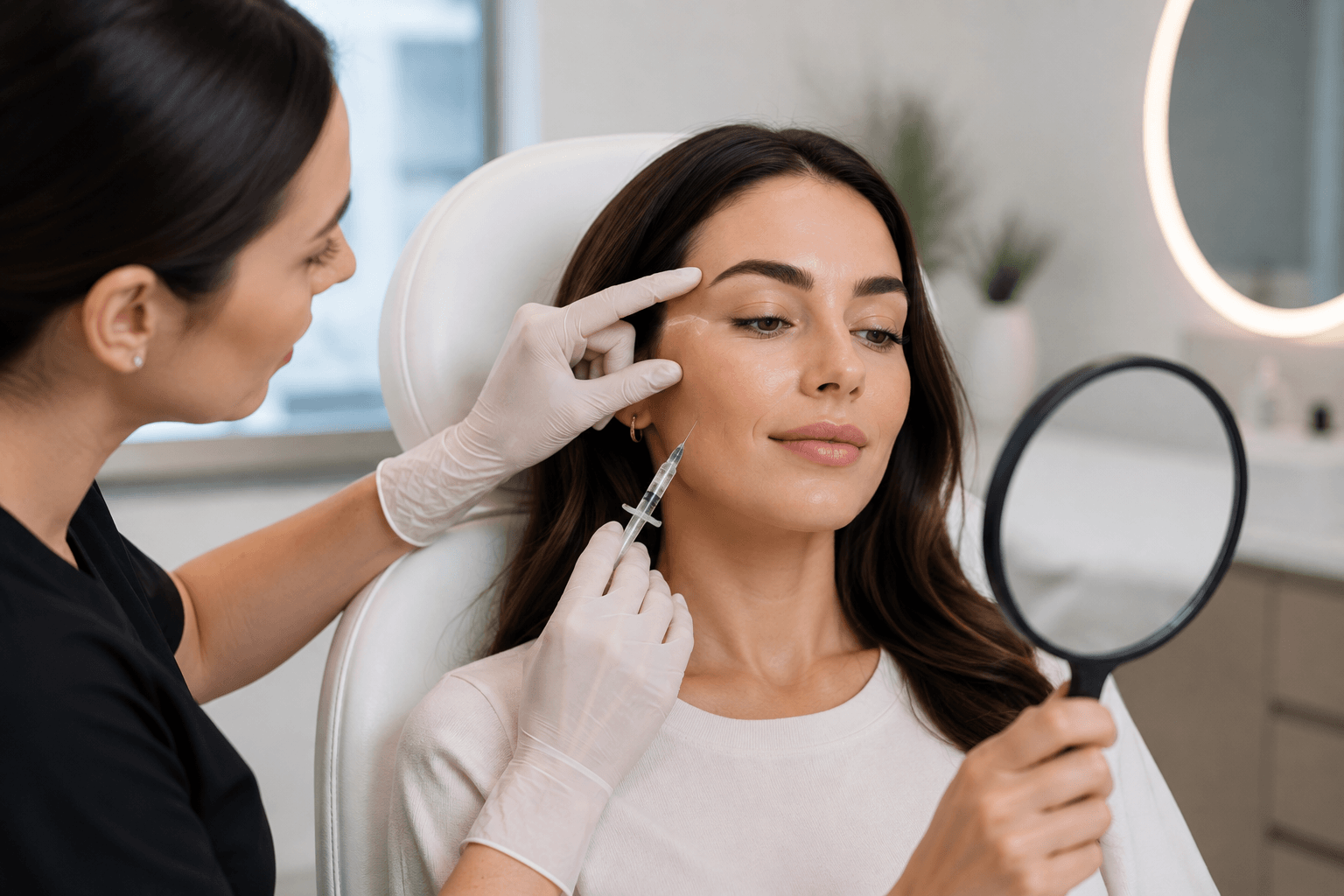
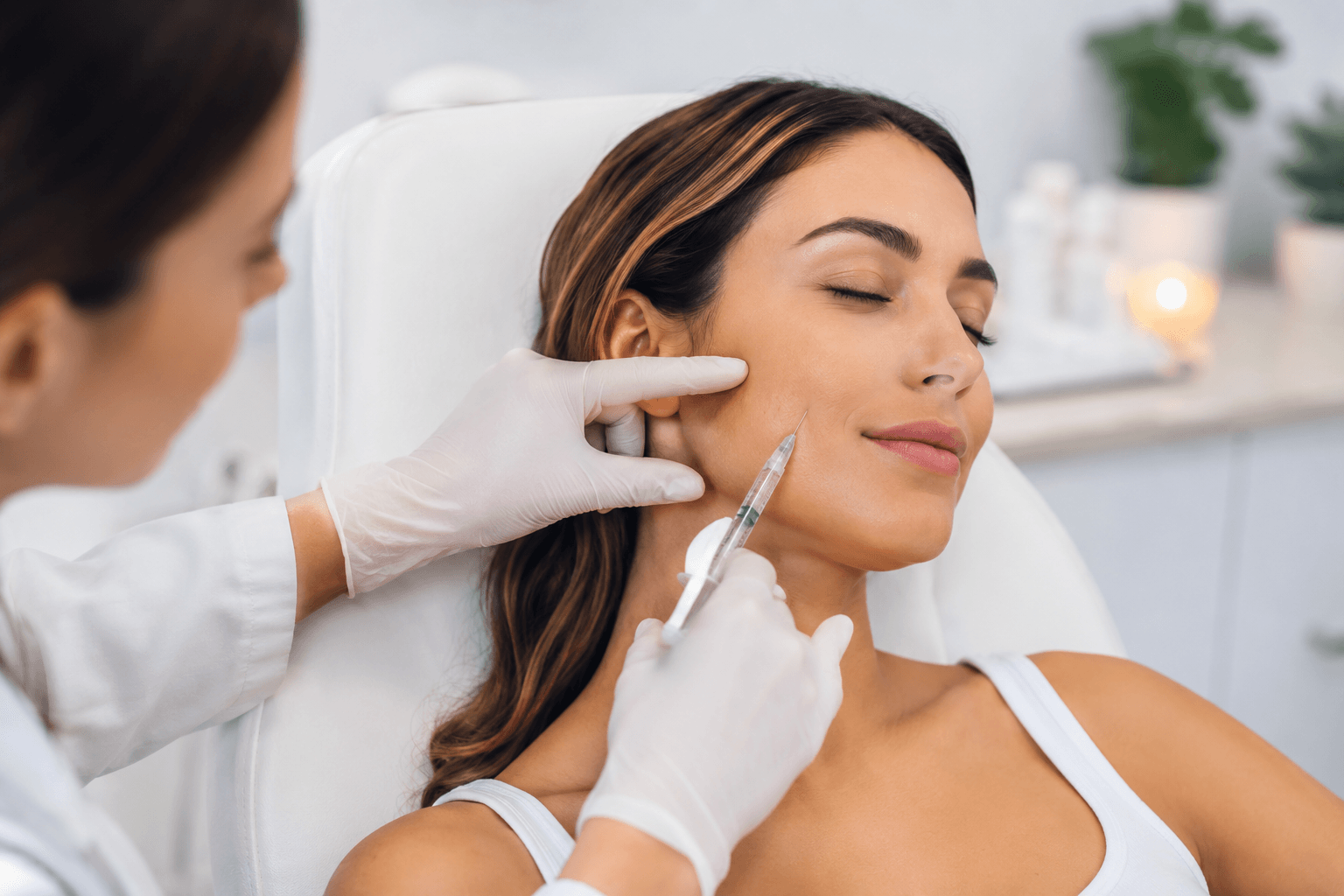
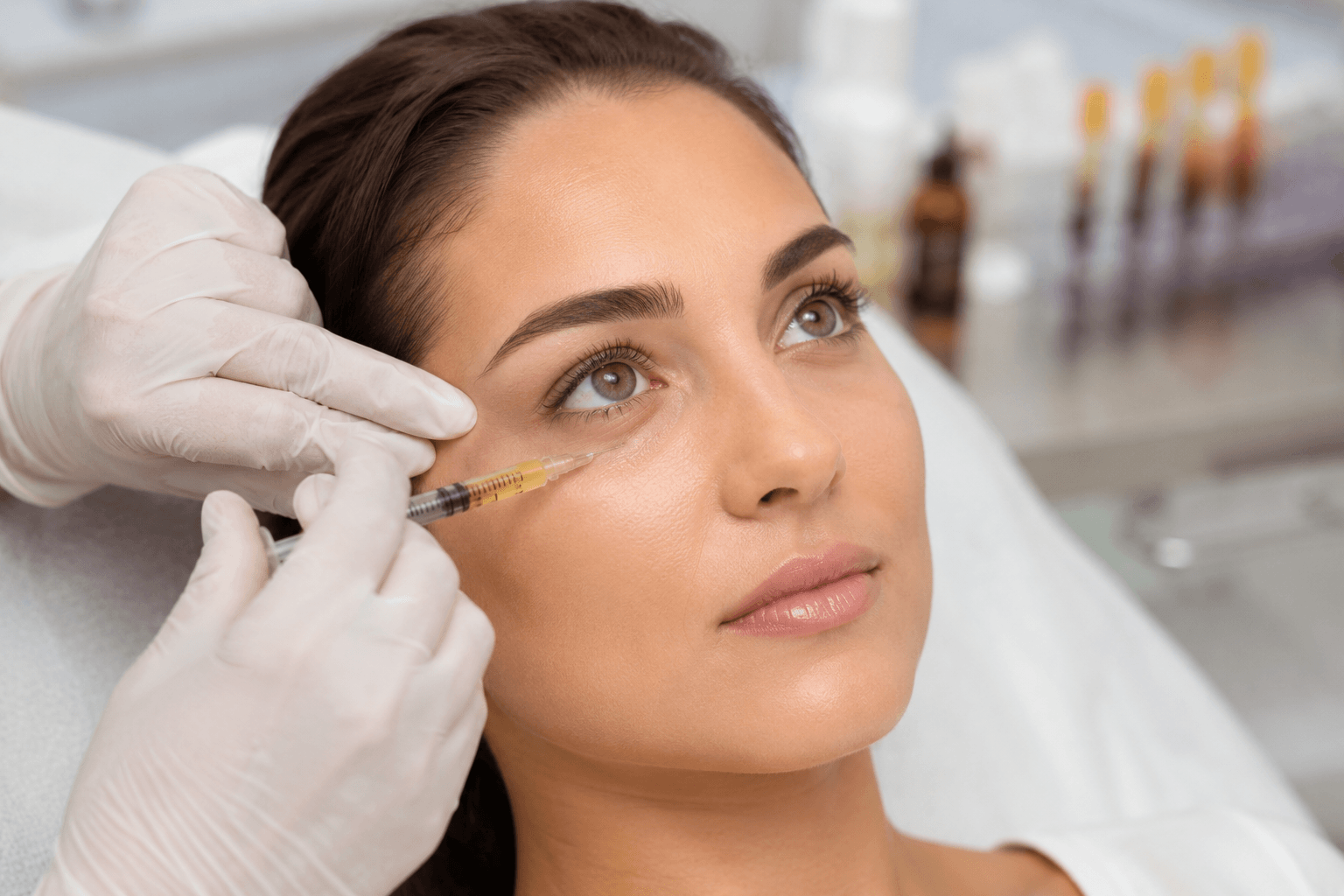
At VRAI in Sandy Springs, advanced approaches may include regenerative treatments designed to support healthier, fuller hair. One example is EZ Gel Plasma, which utilizes your body’s natural growth factors to rejuvenate the scalp and promote hair restoration.
These types of treatments are particularly appealing because they work with your body rather than against it. They can improve hair thickness, strengthen existing strands, and create a healthier environment for long term growth.
It is important to note that while treatments like EZ Gel Plasma are commonly used for skin rejuvenation and other aesthetic concerns, they may also play a role in broader regenerative strategies depending on individual needs.
Other supportive treatments, such as addressing scalp health or managing underlying conditions like hormonal imbalances, are often part of a comprehensive plan.
How Can a Hair Restoration Consultation Identify the Cause?
A personalized consultation is one of the most important steps in addressing hair thinning. Rather than guessing the cause, a professional evaluation looks at multiple factors to determine what is really happening.
During a consultation, providers typically assess:
- Medical history and lifestyle factors
- Nutritional habits
- Stress levels
- Hormonal influences
- Scalp and hair condition
This holistic approach allows for a customized treatment plan tailored to your specific needs. Whether your hair thinning is related to stress, deficiencies, or other factors, the right strategy can make a significant difference in your results.
For those considering hair restoration in Sandy Springs or nearby areas like Atlanta, Buckhead, Dunwoody, or Cobb, choosing a provider who takes a comprehensive approach is key.
The Connection Between Skin Health and Hair Health
Many people do not realize that scalp health is an extension of overall skin health. Conditions that affect the skin, such as inflammation or pigmentation concerns like melasma, can sometimes indicate underlying imbalances that also impact hair growth.
Treatments designed to improve skin quality, including regenerative therapies and targeted aesthetic treatments, may indirectly support a healthier scalp environment. While melasma treatment and injectable complication management are separate services, they reflect the importance of working with experienced providers who understand how different aspects of aesthetic health are connected.
Frequently Asked Questions
Why is my hair thinning if I have no medical issues?
Hair thinning can still occur due to stress, subtle nutrient deficiencies, hormonal fluctuations, or genetics. Even without a diagnosed condition, these factors can affect hair growth cycles.
How do I know if I need hair restoration treatment?
If you notice persistent shedding, thinning areas, or reduced volume that does not improve with lifestyle changes, a consultation can help determine if treatment is right for you.
Is hair restoration in Sandy Springs effective for early hair thinning?
Yes, early intervention often leads to better outcomes. Addressing hair thinning in its early stages can help preserve existing hair and stimulate healthier growth.
Can IV therapy help with hair loss?
IV therapy can support overall wellness by delivering essential nutrients, which may improve hair health indirectly. However, it is typically used as a complementary approach rather than a primary hair loss treatment.
How long does it take to see results from hair restoration treatments?
Results vary depending on the individual and the treatment used. Many patients begin to notice improvements within a few months, with continued progress over time.
Are regenerative treatments like EZ Gel Plasma safe?
These treatments are generally considered safe because they use components derived from your own body. A professional consultation will determine if this approach is appropriate for your needs.
Your Hair Deserves More Than Guesswork
Hair thinning does not always mean something is wrong with your overall health, but it does mean your body is signaling a change. Instead of relying on trial and error, taking a targeted approach can help you regain confidence and control over your hair.
If you are experiencing hair thinning in Sandy Springs, Atlanta, Buckhead, Dunwoody, or Cobb, a personalized consultation can uncover the root cause and guide you toward effective solutions. With the right combination of expertise and treatment, healthier, fuller hair is absolutely within reach.

.webp)
.webp)
.webp)